Product: IL18 Antibody
Catalog: DF6252
Description: Rabbit polyclonal antibody to IL18
Application: WB IHC IF/ICC
Cited expt.: WB, IHC
Reactivity: Human, Mouse, Rat
Mol.Wt.: 22kDa; 22kD(Calculated).
Uniprot: Q14116
RRID: AB_2838218

View similar products>>

   Size Price Inventory
 100ul $280 In stock
 200ul $350 In stock

Lead Time: Same day delivery

For pricing and ordering contact:
Local distributors

Product Info

Source:
Rabbit
Application:
WB 1:500-1:2000, IHC 1:50-1:200, IF/ICC 1:100-1:500
*The optimal dilutions should be determined by the end user. For optimal experimental results, antibody reuse is not recommended.
*Tips:

WB: For western blot detection of denatured protein samples. IHC: For immunohistochemical detection of paraffin sections (IHC-p) or frozen sections (IHC-f) of tissue samples. IF/ICC: For immunofluorescence detection of cell samples. ELISA(peptide): For ELISA detection of antigenic peptide.

Reactivity:
Human,Mouse,Rat
Clonality:
Polyclonal
Specificity:
IL18 Antibody detects endogenous levels of total IL18.
RRID:
AB_2838218
Cite Format: Affinity Biosciences Cat# DF6252, RRID:AB_2838218.
Conjugate:
Unconjugated.
Purification:
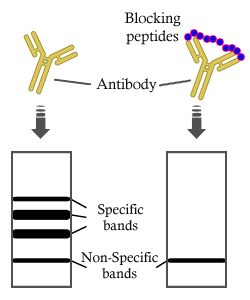
The antiserum was purified by peptide affinity chromatography using SulfoLink™ Coupling Resin (Thermo Fisher Scientific).
Storage:
Rabbit IgG in phosphate buffered saline , pH 7.4, 150mM NaCl, 0.02% sodium azide and 50% glycerol. Store at -20 °C. Stable for 12 months from date of receipt.
Alias:

Fold/Unfold

Iboctadekin; IFN gamma inducing factor; IFN-gamma-inducing factor; IGIF; IL 1 gamma; IL 18; IL 1g; IL-1 gamma; IL-18; IL1 gamma; IL18; IL18 protein; IL18_HUMAN; IL1F4; IL1g; IL1gamma; ILIF4; Interferon gamma inducing factor; Interferon gamma-inducing factor; Interleukin 1 gamma; Interleukin 18 (interferon-gamma-inducing factor); Interleukin 18; Interleukin-1 gamma; Interleukin-18; Interleukin18; MGC12320;

Immunogens

Immunogen:

A synthesized peptide derived from human IL18, corresponding to a region within the internal amino acids.

Uniprot:
Gene(ID):
Description:
The protein encoded by this gene is a proinflammatory cytokine that augments natural killer cell activity in spleen cells, and stimulates interferon gamma production in T-helper type I cells. Alternatively spliced transcript variants encoding different isoforms have been found for this gene.[provided by RefSeq, Aug 2011]
Sequence:
MAAEPVEDNCINFVAMKFIDNTLYFIAEDDENLESDYFGKLESKLSVIRNLNDQVLFIDQGNRPLFEDMTDSDCRDNAPRTIFIISMYKDSQPRGMAVTISVKCEKISTLSCENKIISFKEMNPPDNIKDTKSDIIFFQRSVPGHDNKMQFESSSYEGYFLACEKERDLFKLILKKEDELGDRSIMFTVQNED

Research Backgrounds

Function:

A proinflammatory cytokine primarily involved in polarized T-helper 1 (Th1) cell and natural killer (NK) cell immune responses (Probable). Upon binding to IL18R1 and IL18RAP, forms a signaling ternary complex which activates NF-kappa-B, triggering synthesis of inflammatory mediators. Synergizes with IL12/interleukin-12 to induce IFNG synthesis from T-helper 1 (Th1) cells and natural killer (NK) cells (Probable).

PTMs:

The pro-IL-18 precursor is processed by CASP1 or CASP4 to yield the active form.

Subcellular Location:

Secreted.

Extracellular region or secreted Cytosol Plasma membrane Cytoskeleton Lysosome Endosome Peroxisome ER Golgi apparatus Nucleus Mitochondrion Manual annotation Automatic computational assertionSubcellular location
Family&Domains:

Belongs to the IL-1 family.

Research Fields

· Environmental Information Processing > Signaling molecules and interaction > Cytokine-cytokine receptor interaction.   (View pathway)

· Human Diseases > Infectious diseases: Bacterial > Salmonella infection.

· Human Diseases > Infectious diseases: Bacterial > Legionellosis.

· Human Diseases > Infectious diseases: Parasitic > African trypanosomiasis.

· Human Diseases > Infectious diseases: Parasitic > Malaria.

· Human Diseases > Infectious diseases: Bacterial > Tuberculosis.

· Human Diseases > Infectious diseases: Viral > Influenza A.

· Human Diseases > Immune diseases > Inflammatory bowel disease (IBD).

· Human Diseases > Immune diseases > Rheumatoid arthritis.

· Organismal Systems > Immune system > NOD-like receptor signaling pathway.   (View pathway)

· Organismal Systems > Immune system > Cytosolic DNA-sensing pathway.   (View pathway)

References

1). Diatom-Inspired Scaffold for Infected Bone Defect Therapy: Achieving Stable Photothermal Properties and Coordinated Antibacterial-Osteogenic Functions. ADVANCED MATERIALS, 2025 [IF=26.8]

2). Deep Learning Enhanced Near Infrared-II Imaging and Image-Guided Small Interfering Ribonucleic Acid Therapy of Ischemic Stroke. ACS nano, 2025 (PubMed: 40042964) [IF=15.8]

3). Biomimetic Hydrogel Strategy Inspired by Sea Cucumbers: Integrating Antibacterial, Osteoimmune, and Osteogenic Functions for Infected Bone Repair. BIOMATERIALS, 2026 [IF=12.9]

4). Overexpression of NAG-1/GDF15 prevents hepatic steatosis through inhibiting oxidative stress-mediated dsDNA release and AIM2 inflammasome activation. Redox Biology, 2022 (PubMed: 35504134) [IF=10.7]

5). TREM1 deficiency attenuates LPS-induced sepsis-associated acute kidney injury by modulating macrophage polarization. International Journal of Surgery, 2025 [IF=10.3]

6). Microenvironment-adaptive nanomedicine MXene promotes flap survival by inhibiting ROS cascade and endothelial pyroptosis. Journal of nanobiotechnology, 2025 (PubMed: 40197477) [IF=10.2]

Application: WB    Species: human    Sample:
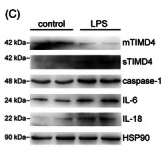
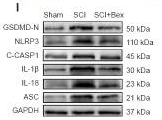
Fig. 7 MXene inhibited pyroptosis in vascular endothelial cells in ischaemic flaps. A–E Western blotting images and quantitative analysis of pyroptosis-related proteins in the 4 groups. F Immunofluorescence staining for CASP-1 (red) and CD31 (green) on POD 7 detected by confocal microscopy. Scale bar: 20 μm. G Quantitative analysis of CASP-1 level in each CD31-labeled endothelial cell between the four groups. H–K Levels of GSDMD-N, C-CASP-1, cleaved IL-18, and cleaved IL-1β in flaps measured using ELISA kits. N = 3 per group. SEM error bars are used. Significance (*): p value 

7). Identification of circulating T-cell immunoglobulin and mucin domain 4 as a potential biomarker for coronary heart disease. MedComm, 2023 (PubMed: 37426678) [IF=9.9]

Application: WB    Species: Mouse    Sample: RAW264.7 cells
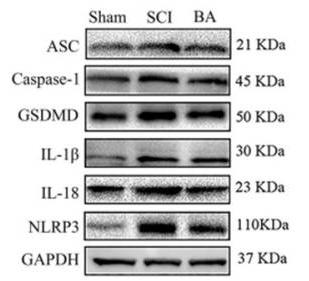
FIGURE 3 Ox‐LDL increased ADAM17 and sTIMD4 while decreased mTIMD4 level in macrophages. RAW264.7 cells were treated with ox‐LDL at the indicated concentrations for 24 h (A, D–G) or with 80 μg/mL ox‐LDL for the indicated times (B) or LPS at 1 μg/mL for 24 h (C). After treatment, total cellular proteins, RNA, and treatment mediums were collected. (A–C) Expression of ADAM17, mTIMD4, IL‐6, IL‐10, pro‐IL‐1β, IL‐1β, caspase‐1, and IL‐18 in cells and sTIMD4 in medium was detected by Western blotting (n = 3). (D and E) Expression of TIMD4, ADAM17, TNF‐α, and IL‐6 mRNA was determined by qRT‐PCR (n = 3–4). HSP90 was used as a loading control. *p < 0.05; **p < 0.01; ns, not significant.

8). Betulinic Acid Inhibits ROS-Mediated Pyroptosis in Spinal Cord Injury by Augmenting Autophagy via the AMPK-mTOR-TFEB Signaling Pathway. International Journal of Biological Sciences, 2020 (PubMed: 33867836) [IF=8.2]

Application: WB    Species: Mice    Sample: spinal cords

Figure 2 BA attenuates pyroptosis after SCI. (A) Immunofluorescence staining for Caspase-1 and NeuN co-localization in the spinal cords of the Sham, SCI, and BA groups (scale bar = 25 µm) (B) The quantitative mean optical density of the Caspase-1 in motor neurons of spinal cord lesion. (C) Immunofluorescence staining for GSDMD and NeuN co-localization in the spinal cords of the Sham, SCI, and BA groups (scale bar = 25 µm) (D) The quantitative mean optical density of the GSDMD in motor neurons of spinal cord lesion. (E)Western blotting for ASC, Caspase-1, GSDMD, IL-1β, IL-18 and NLRP3 expression levels in the Sham, SCI, and BA groups. The gels were run under the same experimental conditions, and the cropped blots are shown here. (F) The optical density values of the ASC, Caspase-1, GSDMD, IL-1β, IL-18 and NLRP3 expression levels were quantified and analyzed in each group. The values are expressed as the means ± SEM, n=5 per group. **p< 0.01, vs. Sham group. #p< 0.05 and ##p< 0.01, vs. SCI group.

Application: WB    Species: Mice    Sample: spinal cords

Figure 2 BA attenuates pyroptosis after SCI. (A) Immunofluorescence staining for Caspase-1 and NeuN co-localization in the spinal cords of the Sham, SCI, and BA groups (scale bar = 25 µm) (B) The quantitative mean optical density of the Caspase-1 in motor neurons of spinal cord lesion. (C) Immunofluorescence staining for GSDMD and NeuN co-localization in the spinal cords of the Sham, SCI, and BA groups (scale bar = 25 µm) (D) The quantitative mean optical density of the GSDMD in motor neurons of spinal cord lesion. (E)Western blotting for ASC, Caspase-1, GSDMD, IL-1β, IL-18 and NLRP3 expression levels in the Sham, SCI, and BA groups. The gels were run under the same experimental conditions, and the cropped blots are shown here. (F) The optical density values of the ASC, Caspase-1, GSDMD, IL-1β, IL-18 and NLRP3 expression levels were quantified and analyzed in each group. The values are expressed as the means ± SEM, n=5 per group. **p< 0.01, vs. Sham group. #p< 0.05 and ##p< 0.01, vs. SCI group.

9). Human dental follicle stem cell-derived exosomes reduce root resorption by inhibiting periodontal ligament cell pyroptosis. Stem cell research & therapy, 2025 (PubMed: 39985080) [IF=7.5]

10). Dihydromyricetin treats pulmonary hypertension by modulating CKLF1/CCR5 axis-induced pulmonary vascular cell pyroptosis. Biomedicine & pharmacotherapy = Biomedecine & pharmacotherapie, 2024 (PubMed: 39461017) [IF=7.5]

Load more

Restrictive clause


Affinity Biosciences tests all products strictly. Citations are provided as a resource for additional applications that have not been validated by Affinity Biosciences. Please choose the appropriate format for each application and consult Materials and Methods sections for additional details about the use of any product in these publications.

For Research Use Only.
Not for use in diagnostic or therapeutic procedures. Not for resale. Not for distribution without written consent. Affinity Biosciences will not be held responsible for patent infringement or other violations that may occur with the use of our products. Affinity Biosciences, Affinity Biosciences Logo and all other trademarks are the property of Affinity Biosciences LTD.